
Wall Repair in Albuquerque, New Mexico
Wall Repairs That Fix More Than the Surface
Walls hold more than structure. They hold the finished appearance of every room they bound. When they fail, the damage rarely stops at the surface. A doorknob punched through drywall. A water leak undetected for months. Settling that opened a crack along a seam. What looks like a patch job from across the room is often the visible end of a larger problem. Compromised framing. Moisture behind the board. A previous repair that was never done correctly. Dream Home Innovations has spent 25 years diagnosing and repairing walls where a skim coat over the problem was never going to hold. We assess what caused the damage before we decide how to address it.
Our service area includes Albuquerque, New Mexico, and nearby communities such as Rio Rancho, Bernalillo, Los Lunas, and Corrales. Walls across homes in Bernalillo County carry damage patterns specific to this region. New Mexico's soil conditions contribute to foundation movement that opens cracks along drywall seams and at wall and ceiling junctions. Flat-roof construction common across Albuquerque produces interior wall damage when membrane failures allow water to travel down framing before appearing at the surface.
Our wall repair scope covers drywall patch and replacement, plaster repair, crack repair and reinforcement, water damage remediation, texture matching, and surface preparation for paint. We handle each phase in sequence. We open the wall where necessary. We patch, tape, mud, sand, and texture to a finish that accepts paint without visible evidence of the repair beneath.
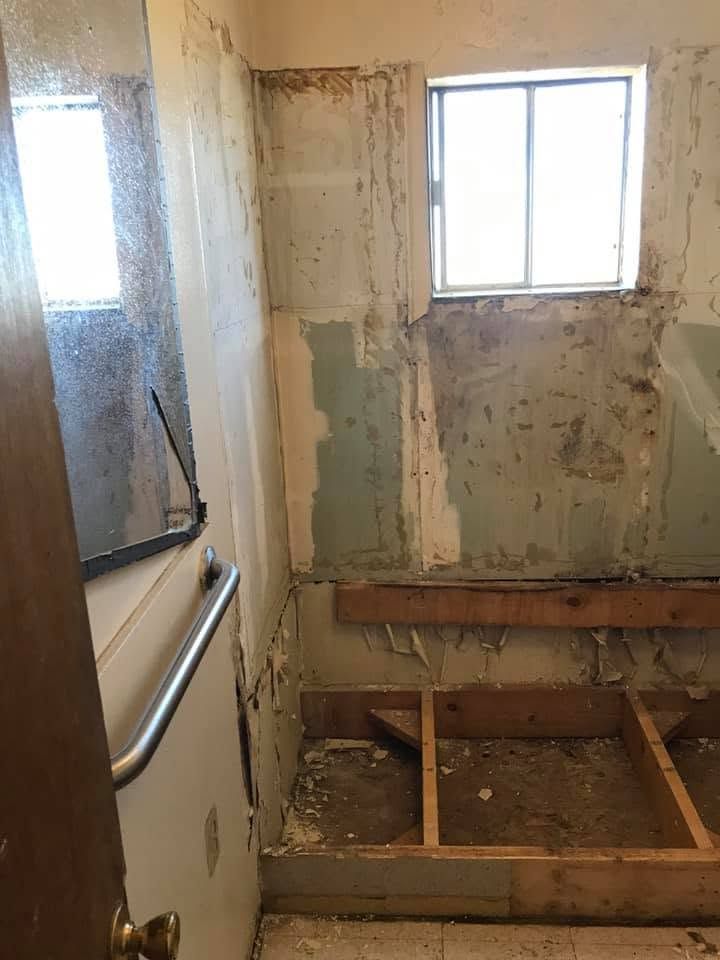
Wall Repair Services We Handle From Substrate to Surface
Drywall Patch and Replacement
We repair drywall damage from impact, water intrusion, fixture removal, and previous renovation work. Repairs may involve small patch sections or full panel replacement when damage is extensive. Each repair includes backing, taping, joint compound, sanding, and priming before the surface is ready for paint.
Plaster Wall Repair
We repair cracked, delaminated, and impact-damaged plaster walls using compatible materials and methods that match the original plaster composition. Plaster repair requires more than standard drywall patching, including keying repair edges into existing plaster and building coats in the sequence the original system used.
Crack Repair and Reinforcement
We repair cracks caused by settling, thermal movement, and structural shift using fiberglass mesh tape, setting compound, and joint compound in multiple coats. When recurring cracks indicate ongoing movement, we reinforce the area with wider tape and flexible compound formulations that help prevent reopening.
Water Damage Remediation Within Wall Assemblies
We open walls where water damage has compromised framing, insulation, or drywall behind the surface. Our team assesses damage, removes compromised materials, dries the assembly, rebuilds with new framing or blocking, insulation, and drywall, then verifies moisture levels before taping and finishing the surface.
Texture Matching
We match existing wall textures including orange peel, knockdown, skip trowel, heavy hand texture, and smooth finish on repaired sections. The goal is to make the patch indistinguishable from the surrounding wall under normal lighting through correct tools, material consistency, technique, and application experience.
Surface Preparation for Paint
We prepare repaired and existing wall surfaces for paint by skim coating uneven areas, filling nail holes and minor damage, sanding rough surfaces, and applying primer suited to the wall condition. Proper preparation helps paint apply evenly and prevents flashing or visible repair boundaries after finishing.
What Lives Behind a Wall Damage Pattern Worth Taking Seriously
Accurate Damage Assessment Before Any Repair Begins
Walls hide what caused the damage, and a repair that addresses the surface without identifying the source will fail again. A thorough assessment of framing condition, moisture presence, and structural movement behind the wall determines what the repair actually requires rather than what it appears to need from the front.
Structural Integrity Preserved Through Correct Backing
Large drywall patches and plaster repairs require proper backing to support the new material over time. Installing backing boards, cleats, or replacement framing sections before patching ensures the repair does not flex, crack, or separate at the edges under the normal structural movement every home experiences across seasons.
Seamless Texture Matching for an Invisible Repair
The visible difference between a professional wall repair and an amateur one is texture. Matching the existing wall texture, whether orange peel, knockdown, skip trowel, or smooth finish, requires the right tools, materials, and technique. A correctly matched texture disappears under paint rather than announcing itself across the room.
Moisture Issues Addressed Before the Wall Is Closed
Repairing a wall damaged by water without addressing the moisture source and drying the assembly completely behind the surface leads to mold growth, recurring damage, and eventual structural deterioration. Proper repair includes verifying that framing and insulation are dry and that the water source has been corrected before new drywall or plaster is installed.
Paint-Ready Surface Without Visible Seams
A wall repair finished correctly produces a surface where the patch boundary disappears under paint. This requires feathering compound across a wide enough area, sanding to a consistent profile, and priming the repaired area before paint is applied so porosity differences between the patch and the existing wall do not telegraph through the finish coat.
Long-Term Stability Without Repeat Repairs
Wall repairs that use the correct compound type, appropriate tape for the application, and proper drying time between coats resist cracking and shrinkage far better than repairs that rush the process. Investing in a repair done correctly once eliminates the cycle of patching the same area repeatedly as shortcuts fail under normal conditions.
Smooth Walls Start With Solid Repairs
Not every wall repair is a patch and paint. Some walls open up to reveal framing that has held moisture long enough to compromise its structural capacity. Others show cracks that have been filled and painted over repeatedly without addressing the movement that keeps reopening them. After 25 years of wall repair work across homes in Albuquerque, Rio Rancho, Los Lunas, and the surrounding Bernalillo County communities, Dream Home Innovations has seen both and knows the difference. We do not close a wall until we are confident in what is behind it. We do not texture over a repair until the compound is fully cured. And we do not hand a homeowner a painted wall that will show the repair again within a year. That standard applies to every wall we touch across every home we work in throughout Albuquerque, New Mexico.
FAQs - Frequently Asked Questions
What causes drywall cracks to keep coming back after repair?
Recurring cracks usually point to ongoing structural movement, weak tape application, or compound that shrank as it cured. A lasting repair starts by addressing the movement source, then using setting compound for base coats and fiberglass mesh tape to help the crack resist reopening again.
Can water-damaged drywall be patched, or does it need full replacement?
Drywall that has absorbed significant moisture usually needs replacement, not patching. Moisture weakens the board and can lead to mold on the paper facing. We assess damage depth and nearby framing moisture before deciding whether a section can be repaired or must be fully removed.
How does Dream Home Innovations approach wall repair in Albuquerque, New Mexico?
Dream Home Innovations starts wall repair in Albuquerque, New Mexico by identifying the damage source before surface work begins. We open walls when needed, verify framing and moisture conditions, complete required substrate repairs, then finish with taping, mudding, texture matching, sanding, and priming properly afterward.
How many coats of joint compound are needed for a proper drywall repair?
A proper drywall repair usually needs at least three coats of joint compound. The first embeds the tape and fills the repair. The second levels the surface. The final coat feathers the repair wide enough to blend with the surrounding wall before sanding and priming.
Can you match existing wall texture on a repair patch?
Yes, existing wall texture can usually be matched on most residential repairs, including orange peel, knockdown, and skip trowel. The result depends on the original application method, wall age, surrounding surface condition, and lighting in the room where the repair is completed properly afterward too.
What is the difference between setting compound and all-purpose joint compound?
Setting compound hardens through a chemical reaction and resists shrinkage, making it useful for base coats and deeper repairs. All-purpose joint compound dries through evaporation and works better for finish coats that need feathering and sanding. Using both correctly reduces cracking and repair failure significantly.
How long does a typical wall repair take to complete?
A standard drywall patch usually takes two to three days because compound coats need proper drying time. Larger repairs involving framing, full panel replacement, or water damage remediation can take longer depending on drying conditions, repair depth, and structural work required before drywall is installed.
What wall repair services does Dream Home Innovations provide in the Albuquerque area?
Dream Home Innovations provides drywall patch and replacement, plaster wall repair, crack repair and reinforcement, water damage remediation inside wall assemblies, texture matching, and surface preparation for paint across Albuquerque and nearby communities, including Rio Rancho, Bernalillo, Los Lunas, and Corrales throughout Bernalillo County homes.