
Electrical Services in Albuquerque, New Mexico
Electrical Work Built for Modern Home Demands
Electricity does not announce its failures in advance. A panel that trips repeatedly under normal household load is not just an annoyance. It is a system telling you it has reached the edge of its capacity. Aluminum wiring installed in homes built during the 1960s and 1970s does not look different from copper at the outlet, but it behaves differently at connections over decades of use. Knob-and-tube wiring buried under attic insulation is not just an outdated inconvenience. Dream Home Innovations has spent 25 years performing residential electrical work for homeowners who needed more than a breaker reset and a shrug.
Our team works throughout Albuquerque, New Mexico and nearby communities, including Rio Rancho, Bernalillo, Placitas, and Edgewood. Electrical systems throughout Bernalillo County span a wide range of ages and conditions. Mid-century construction in central Albuquerque and the North Valley frequently carries original wiring never evaluated against current code, undersized panels, and outlets that predate GFCI requirements. Newer construction east of the Sandia Mountains faces different pressures. Home offices, electric vehicle charging, and high-efficiency appliances place demands the original service size never anticipated.
Our electrical scope covers panel upgrades, circuit additions, outlet and switch replacement, lighting installation, rough-in wiring for remodel projects, and GFCI and AFCI protection upgrades. Every project is performed with the permit and inspection requirements applicable in Albuquerque and surrounding jurisdictions. Permitted electrical work is the only version that protects homeowners through the inspection process and at every subsequent property transaction.
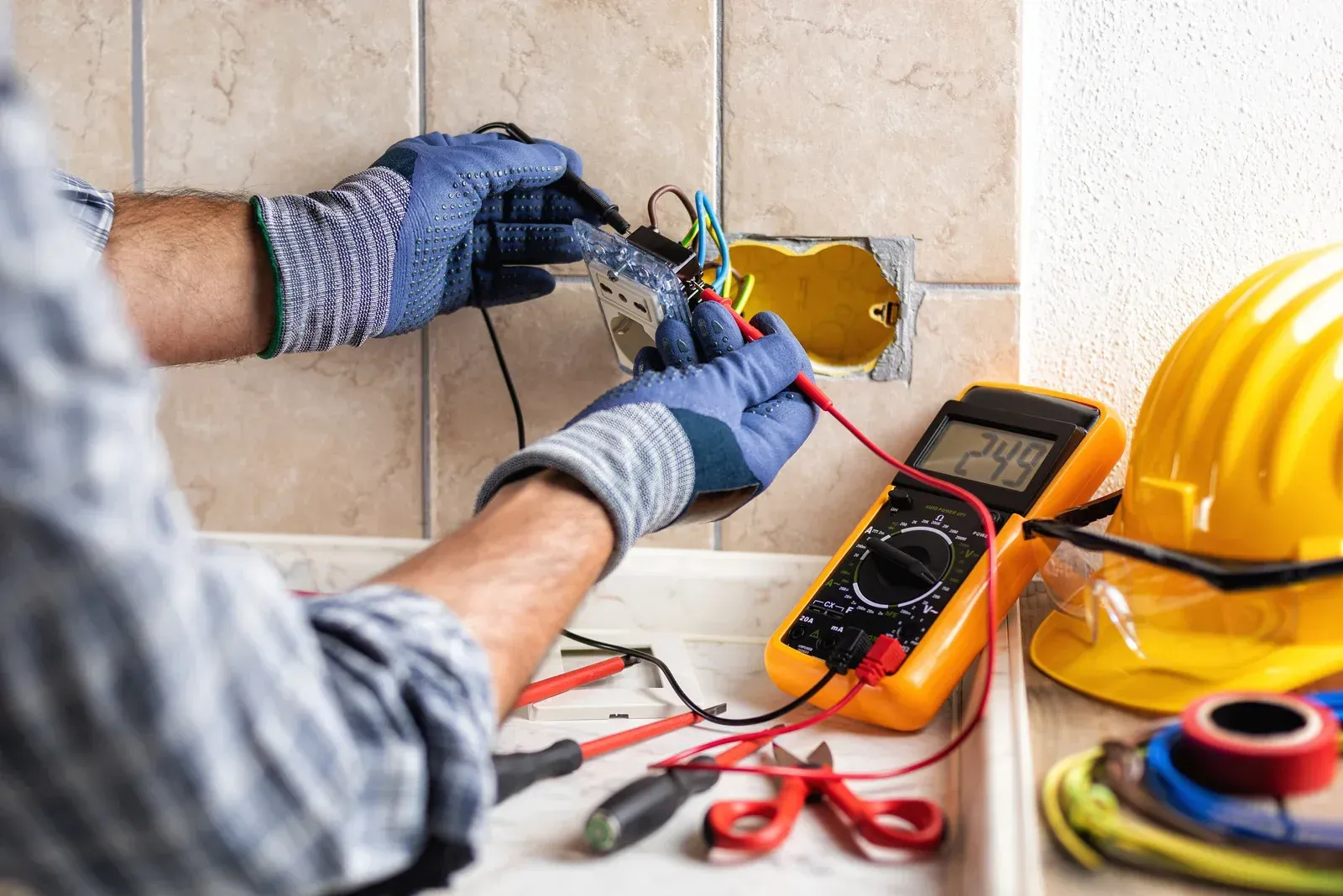
Electrical Services We Handle From Panel to Outlet
Panel Upgrades
We replace undersized or deteriorated electrical panels with correctly sized units that support current household demand and future circuit additions. Panel upgrades include grounding, bonding, main disconnect installation where required, and utility coordination for safe reconnection after the new panel installation is complete.
Circuit Additions
We add circuits for kitchen appliances, bathroom ventilation, garage equipment, home office loads, electric vehicle chargers, and outdoor structures. Work includes running the correct wire gauge from the panel, installing the proper breaker, connecting the outlet or fixture, and labeling the panel directory accurately.
Outlet and Switch Replacement
We replace deteriorated, ungrounded, and non-GFCI outlets with current devices suited to each location. Switch replacement includes single-pole, three-way, and dimmer configurations. We also install tamper-resistant outlets where code requires them and USB outlet upgrades when homeowners request added convenience.
Lighting Installation
We install recessed, pendant, under-cabinet, ceiling fan, and exterior lighting as standalone replacements or part of remodel projects. Lighting work includes fixture boxes rated for weight, proper wire connections at fixtures and switches, and dimmer compatibility checks when dimmers are included in the scope.
Rough-In Wiring for Remodel Projects
We perform rough-in wiring for kitchen, bathroom, and full home remodels, including new circuit runs, outlet and switch box placement, and fixture box installation. All rough-in is positioned for the finished layout, permitted, and inspected before drywall covers the completed electrical work.
GFCI and AFCI Protection Upgrades
We install GFCI outlets at code-required locations and AFCI breakers where arc fault protection is required. Upgrades are performed with the panel de-energized, tested after installation to confirm proper trip function, and documented for the homeowner’s permit and inspection records when required.
What a Correctly Installed Electrical System Actually Defends Against
Code-Compliant Installation That Creates a Documented Record
Permitted electrical work creates an inspection record confirming the installation met code at completion. This documentation protects homeowners during future renovations, insurance claims, and property sales when buyers or inspectors review permit history and need proof that electrical work was completed correctly and safely.
Panel Capacity Matched to the Actual Household Load
A panel that cannot handle modern appliances, HVAC systems, and electronics trips often and limits household use. Upgrading to a properly sized panel removes that restriction and adds capacity for future circuits, remodels, equipment, or electrical additions without forcing another immediate replacement later.
GFCI Protection at Every Required Location
GFCI protection is required at kitchen counters, bathrooms, garages, exterior outlets, and other locations where water contact is possible. It reduces shock risk by shutting power off during ground faults. Many older homes lack this protection, creating a safety gap that should be corrected.
AFCI Protection That Detects Arc Faults Before They Cause Fires
AFCI breakers detect dangerous arcing in damaged or aging wiring and shut the circuit down before nearby materials can ignite. Bedrooms and other areas often require AFCI protection under current code. Panel upgrades and circuit additions create the right opportunity to add this protection.
Correct Wire Gauge for Each Circuit's Demand
Undersized wiring can overheat under sustained load, damage insulation, and create failure risks at connections or inside the wire run. Every added or replaced circuit needs the correct wire gauge for the breaker size and expected demand so it operates safely during continuous use.
Rough-In Wiring Sequenced With Other Trades
Electrical rough-in must be completed before insulation and drywall, and it must coordinate with plumbing rough-in inside shared wall and ceiling cavities. Proper sequencing prevents conflicts, avoids rework, keeps inspections on schedule, and ensures each trade has the access needed to complete work correctly.
Safe Power for the Way You Live
Electrical systems do not have a consistent age across any given home. Panels get replaced. Circuits get added. Previous owners make changes that do not always get permitted or inspected. The result is a wiring system that is part original construction, part update, and part unknown until someone opens the walls and traces what is actually there. That is the reality inside most homes across Albuquerque, and it is the reality Dream Home Innovations has been working inside for 25 years across properties in Rio Rancho, Bernalillo, Edgewood, and throughout Bernalillo County. We pull permits, we schedule inspections, and we wire every circuit to the standard the code requires and the household deserves. Every electrical project we complete throughout Albuquerque, New Mexico reflects that consistency, because the work inside the walls has to be right whether anyone ever opens them again or not.
FAQs - Frequently Asked Questions
How do I know if my electrical panel needs to be upgraded?
Signs include frequent breaker trips, a panel rated below 200 amps in a home with modern appliances, visible corrosion, burn marks, overheating, or an older panel brand with known defects. These issues suggest the system may not safely support current household electrical demand.
What is the difference between GFCI and AFCI protection?
GFCI protection detects ground faults and shuts power off to reduce shock risk near water. AFCI protection detects dangerous arcing in damaged or aging wiring to reduce fire risk. Both protect against different hazards and are required in different locations under current electrical code.
Does Dream Home Innovations handle electrical rough-in as part of a kitchen or bathroom remodel in Albuquerque?
Dream Home Innovations handles electrical rough-in for kitchen and bathroom remodels throughout Albuquerque, New Mexico. We coordinate circuits, outlets, lighting, and exhaust fan wiring with the remodel sequence, while pulling required permits and scheduling inspections before drywall or finish surfaces cover the completed electrical work.
Why does older wiring in Albuquerque homes present safety concerns?
Older wiring can present safety risks because insulation breaks down over time, aluminum branch wiring can loosen and overheat at connections, and knob-and-tube wiring lacks modern grounding. These systems may not safely support today’s appliances, electronics, HVAC equipment, and remodeling demands without targeted upgrades.
What permits are required for residential electrical work in Albuquerque?
Panel replacements, service upgrades, and new circuit additions usually require permits through Albuquerque Development Services or the applicable county building office. Permitted work is inspected before walls are closed, creating a compliance record that protects homeowners during future renovations, insurance reviews, and property sales.
How many circuits does a kitchen remodel typically require?
A kitchen remodel commonly needs dedicated 20-amp circuits for major appliances, two small-appliance circuits for countertop outlets, a circuit for the range or cooktop, and power for lighting or exhaust equipment. The final circuit count depends on appliance specifications and existing panel capacity.
Can outlets be added to an existing room without opening the entire wall?
In many cases, outlets can be added without opening the entire wall by fishing wire through accessible cavities from an attic or crawlspace. Where that is not practical, surface conduit may be used. Feasibility depends on framing, wall construction, and available circuit access.
What should I look for when evaluating the electrical system in an older Albuquerque home?
Check panel age, breaker capacity, grounded three-prong outlets, GFCI protection near water, visible DIY wiring, and signs of overheating or corrosion. These indicators help reveal whether the system is safe, code-compliant, and capable of supporting modern household electrical needs without major upgrades.