
Home Restoration in Albuquerque, New Mexico
Home Restoration That Goes Deeper Than Damage
Water finds the path of least resistance. Fire leaves damage well beyond the visible char line. Long-term deterioration works slowly and quietly until the day it cannot be ignored. When any of these forces work against a home, the result is rarely contained to one surface or one system. Water entering through a failed roof membrane travels down framing before it appears on a ceiling. Fire compromises structural members and leaves residue in wall cavities that surface cleaning cannot reach. Dream Home Innovations has spent 25 years handling residential restoration for homeowners who discovered the damage was deeper than it first appeared.
We serve Albuquerque, New Mexico, as well as the surrounding areas, including Rio Rancho, Placitas, Los Lunas, and Edgewood. Homes throughout Bernalillo County face restoration challenges tied directly to the regional environment. Monsoon season exposes weaknesses in roofing, stucco, and foundation drainage across Albuquerque's housing stock. Flat-roof construction common throughout the city creates interior water damage when membrane systems fail. Adobe and older wood-frame homes in the North Valley and Albuquerque's historic neighborhoods accumulate deterioration in ways newer construction does not. Restoration approaches here must account for original building methods and materials.
Our restoration scope covers water damage remediation, fire and smoke damage restoration, structural rebuilding, subfloor replacement, wall reconstruction, stucco repair, and finish work. We document existing conditions before work begins. We address the source of damage before closing any assembly. We restore every affected area to a functional and finished standard using materials appropriate to the original construction and current code requirements.
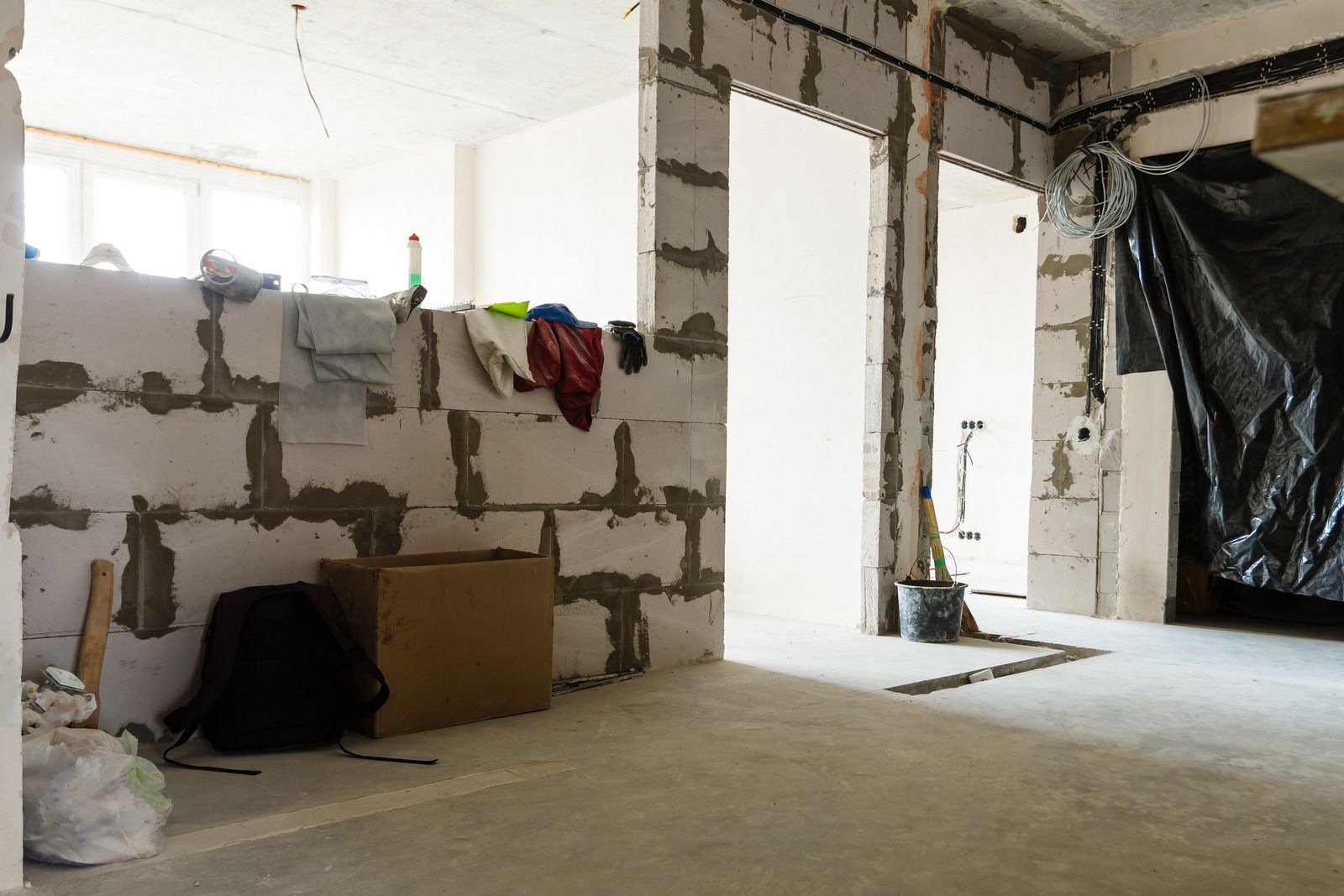
The Remediation and Rebuild Services Our Team Delivers
Water Damage Remediation
We identify and correct the moisture source, remove damaged drywall, insulation, and flooring materials, assess framing for structural compromise and mold presence, allow the assembly to reach acceptable moisture levels, and rebuild the affected area with new materials installed in the correct sequence before finishing surfaces are applied.
Fire and Smoke Damage Restoration
We remove fire-damaged structural members and finish materials, address smoke residue in wall and ceiling cavities where it has penetrated beyond the visible damage zone, rebuild structural assemblies using appropriately sized replacement framing, and restore interior finish surfaces including drywall, texture, paint, flooring, and trim to pre-damage condition.
Structural Rebuilding
We replace compromised joists, studs, rafters, and blocking in areas where water, fire, or long-term deterioration has reduced structural capacity below acceptable levels. Structural rebuilding is permitted and inspected through the applicable Albuquerque or Bernalillo County review process before any finish materials are installed over the rebuilt assembly.
Subfloor Replacement
We remove and replace subfloor panels damaged by water intrusion, prolonged moisture exposure, or structural movement that has caused delamination and loss of fastener holding capacity. Subfloor replacement includes assessing the joist framing beneath for moisture damage, correcting any compromised members, and installing new panels fastened and glued to current installation standards.
Stucco Repair and Exterior Restoration
We repair stucco sections damaged by water intrusion, impact, or long-term deterioration using compatible materials and application methods that integrate with the existing exterior finish. Stucco restoration includes identifying and correcting the underlying moisture source, removing delaminated sections, reapplying scratch and brown coats, and finishing with a color coat matched to the surrounding wall.
Interior Finish Restoration
We restore interior finish surfaces in affected rooms to pre-damage condition, including drywall installation and finishing, texture matching, interior painting, trim reinstallation, flooring replacement, and cabinet or fixture reinstallation where the damage scope required their removal. Finish restoration is the final phase of a complete remediation and rebuild sequence.
Why Damage That Looks Contained Rarely Is
Complete Damage Assessment Before Remediation Begins
Restoration work must begin with a full assessment, not surface repair. We use moisture checks, visual inspection, and documentation to identify compromised framing, subflooring, drywall, and nearby assemblies. This helps define the true scope before remediation, removal, drying, or rebuilding work begins.
Source Correction Before Any Rebuild
A damaged space cannot be rebuilt properly until the source of damage is corrected. Water intrusion, roof membrane failure, drainage problems, and plumbing leaks must be identified first. Without source correction, new framing, drywall, flooring, or finish work can fail through the same damage path.
Structural Integrity Verified and Restored
Water, fire, and long-term deterioration can weaken framing behind finished surfaces. Restoration includes assessing joists, studs, rafters, blocking, and other structural members in affected areas. When needed, compromised components are sistered or replaced so the rebuilt assembly can safely support the load above.
Mold Prevention Through Proper Drying Protocol
Water-damaged assemblies must dry to acceptable moisture levels before new materials are installed. Closing walls or floors too early can trap moisture inside framing, insulation, or subflooring. Proper drying helps prevent mold growth, recurring odor, and hidden deterioration after the restoration work is finished.
Finish Work Restored to Pre-Damage Condition
Restoration is complete when the repaired area blends with the surrounding home. That requires matching textures, paint finishes, flooring materials, trim profiles, and surface colors. The goal is to restore function and appearance without leaving visible signs of where the damage occurred.
Documentation That Supports the Full Restoration Process
Documentation creates a clear record of the restoration process from start to finish. Photos and notes show what was damaged, removed, corrected, dried, rebuilt, and finished. This record can support insurance claims, permit files, future maintenance decisions, and property disclosure requirements after major damage.
Restored Right From Structure to Finish
Some restoration jobs close in a week. Others take longer because the damage traveled further than anyone expected when the work began. At Dream Home Innovations, we do not set a timeline before we know what the damage actually involves. We open what needs to be opened, document what we find, correct the source, dry what needs to dry, and rebuild in the sequence the work requires. After 25 years of restoration projects across Albuquerque, Rio Rancho, Placitas, and throughout Bernalillo County, we have learned that shortcuts in this work do not hold. They just delay the next call. Homeowners across Albuquerque, New Mexico, trust us with their restoration projects because we treat the cause with the same seriousness as the consequence, and we finish the work to a standard the home can carry forward.
FAQs - Frequently Asked Questions
How do I know if water damage behind my walls requires professional restoration?
Visible staining, soft drywall, musty odor, and bubbling paint often mean moisture has reached framing or insulation behind the surface. These signs require professional assessment to determine damage depth, identify hidden mold concerns, and decide whether wall materials must be removed and rebuilt safely first.
Can fire-damaged walls and ceilings be restored rather than fully replaced?
Lightly damaged drywall may sometimes be cleaned, sealed, and finished without full replacement. However, framing, insulation, and materials exposed to direct fire contact or deep smoke residue usually require removal to eliminate odor, hidden contamination, structural risk, and future indoor air problems completely after restoration.
What does Dream Home Innovations include in a water damage restoration project in Albuquerque?
Dream Home Innovations includes moisture source identification, material removal, framing assessment, repair, drying verification, and full interior rebuild through finish work for water damage restoration projects throughout Albuquerque, New Mexico, and nearby communities including Rio Rancho, Los Lunas, and Bernalillo County homes and properties nearby.
How long does a home restoration project typically take?
Timeline depends on the damage type, affected area, drying requirements, and rebuild scope. Water damage restoration often takes two to six weeks. Fire damage restoration with structural rebuilding across multiple rooms can take several months, especially when permits, inspections, and material availability affect scheduling overall.
Does restoration work require building permits in Albuquerque?
Restoration work involving structural framing repair, electrical work, or plumbing modifications usually requires permits under Albuquerque and Bernalillo County building codes. We manage permit applications and required inspections so the restoration is documented, code-compliant, and approved before finish materials close rebuilt assemblies safely after review.
What is the correct sequence for water damage restoration?
The correct sequence begins with source correction, then material removal, structural assessment, drying, framing repair, insulation, drywall installation, finishing, texture matching, painting, flooring, and fixture reinstallation. Skipping or rushing any stage can cause recurring moisture damage, mold growth, and failed restoration results later after completion.
How do you match existing textures and finishes in a restored area?
We assess the existing wall or ceiling texture, test application methods on a small section, and feather new texture into the surrounding surface. Paint, trim, flooring, and finish details are matched carefully so the restored area blends properly under normal lighting after completion.
What signs indicate that a restoration project involves structural damage requiring immediate attention?
Sagging ceilings, soft or deflecting floors, walls that have shifted out of plumb, and visible separation at framing connections all suggest structural compromise. These conditions require immediate assessment because load-carrying members may be affected, making the damaged area unsafe for normal use inside until assessed.