
Flooring Installation in Albuquerque, New Mexico
Floors Installed for Strength, Style, and Everyday Use
Every surface in a room draws the eye downward eventually. The floor connects every wall, every piece of furniture, and every transition between spaces. When it is worn, uneven, or simply wrong for how the room is used, it undermines everything built above it. Flooring is not a decorative decision layered on top of a finished home. It is a structural and functional choice. Dream Home Innovations has spent 25 years installing flooring in homes across the region, learning what materials perform under real conditions and what subfloor preparation actually looks like when it is done correctly rather than rushed to meet a schedule.
Our service area includes Albuquerque, New Mexico and nearby communities such as Rio Rancho, Bernalillo, Los Lunas, and Corrales. Homes throughout Bernalillo County and the Middle Rio Grande corridor face common flooring challenges. New Mexico’s climate brings major temperature swings between seasons. Older homes across Albuquerque’s established neighborhoods often have uneven subfloors. Some have water damage. Others have layers of old flooring that must be removed first. Every surface needs to be assessed before new flooring goes down.
Our flooring installation scope covers hardwood, tile, luxury vinyl plank, laminate, and carpet across every room type. Each installation begins with a thorough subfloor assessment, because the floor covering is only as stable as what sits beneath it. We do not skip that step. We correct subfloor deficiencies before installation begins so the finished surface performs the way it is supposed to, without movement, cracking, or premature wear in the years following installation.
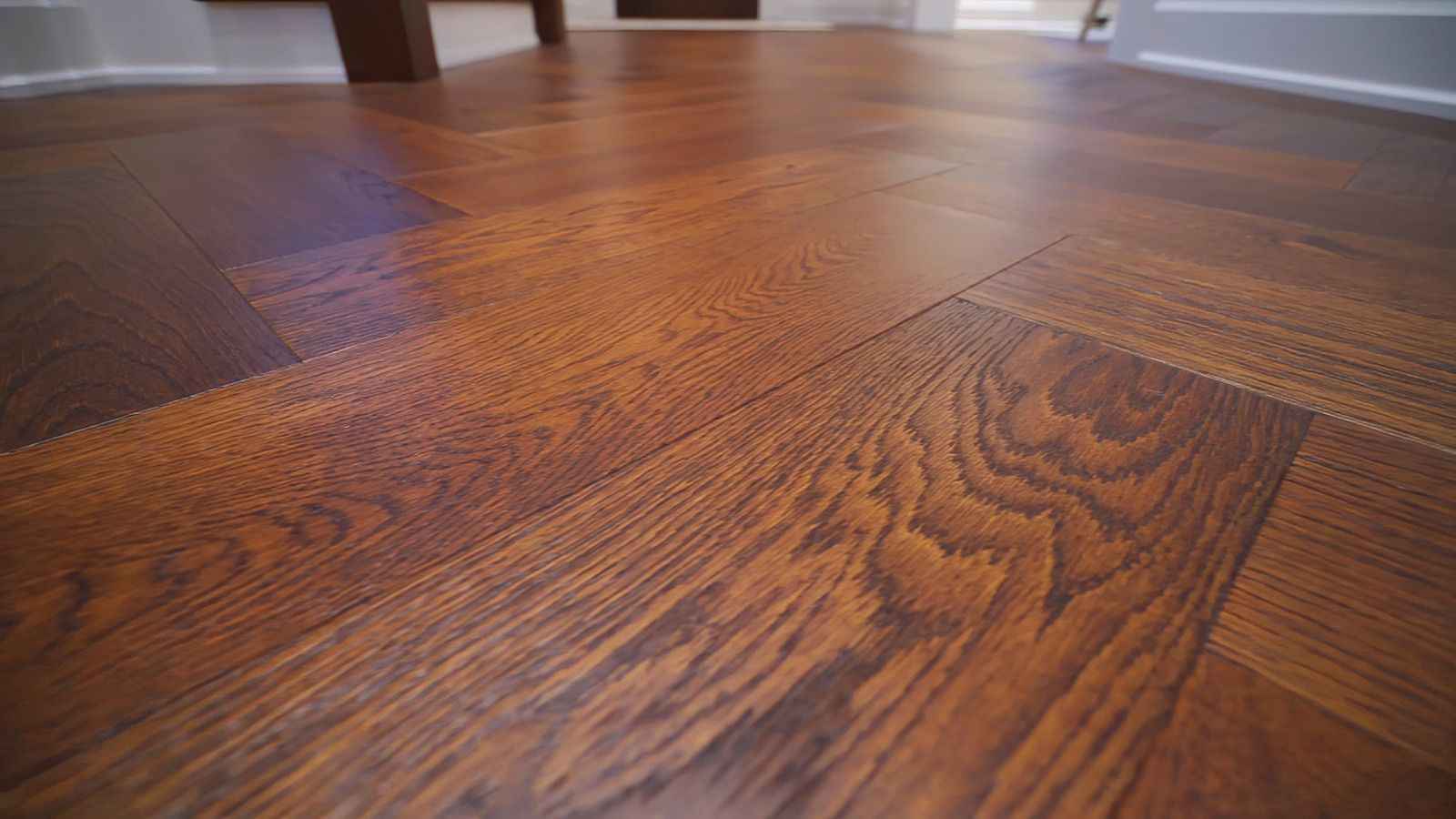
The Full Range of Our Flooring Installation Work
Hardwood Flooring Installation
We install solid and engineered hardwood using nail-down, glue-down, or floating methods depending on the subfloor type and moisture conditions. Each installation includes proper acclimation time, expansion gap allowance at perimeter walls, and transitions finished with matching reducer or threshold profiles at room boundaries and doorways.
Tile Flooring Installation
We install ceramic and porcelain tile on floors throughout the home, including kitchens, bathrooms, entryways, and living areas. Our tile installations include mortar bed preparation, layout planning to minimize cut tile at visible edges, grout joint sizing appropriate to the tile format, and sealing where the material and grout type require it.
Luxury Vinyl Plank Installation
We install floating and glue-down luxury vinyl plank systems on concrete slabs and wood subfloors. LVP requires a flat subfloor within manufacturer tolerances, which we verify and correct before installation begins. We handle transitions, stair nosing where applicable, and perimeter trim to complete the installation properly.
Laminate Flooring Installation
We install laminate flooring using floating installation methods over appropriate underlayment. Subfloor flatness is assessed and corrected as needed before installation. We handle all transitions, stair applications, and perimeter molding installation so the finished floor reads as a cohesive surface rather than an assembly of separate components.
Carpet Installation
We install carpet with proper pad selection for the subfloor type and room use. Seam placement is planned to minimize visibility under normal lighting conditions. We stretch carpet to manufacturer tension specifications using power stretching equipment, which prevents the rippling and bunching that results from hand-stretching alone.
Subfloor Repair and Preparation
We assess, repair, and prepare subfloors before any finished flooring material is installed. Work includes replacing water-damaged or delaminated panels, sistering compromised joists where accessible, self-leveling underlayment application for out-of-flat slabs, and removal of existing flooring layers that would otherwise compromise the new installation above.
What Separates Flooring That Lasts From Flooring That Fails Early
Correct Subfloor Preparation
Flooring failures almost always originate below the surface material. Professional installation begins with assessing moisture levels, structural integrity, and levelness of the subfloor. Deficiencies are corrected before any finished material is installed, preventing the cracking, movement, and adhesion failures that shortcuts at this stage consistently produce.
Material Performance in Real Conditions
Not every flooring material performs equally in every environment. Professional installers assess the room's moisture exposure, temperature variability, traffic volume, and subfloor composition before recommending a material. This matching of product to conditions is what separates flooring that lasts from flooring that fails within a few years of installation.
Proper Acclimation Before Installation
Hardwood and engineered wood products must acclimate to the home's interior humidity and temperature before installation begins. Skipping this step causes boards to expand or contract after installation, producing gaps, buckling, or cupping that cannot be corrected without full replacement of the affected flooring sections.
Clean Transitions Between Rooms
Where flooring materials change between rooms, the transition strip, threshold, and height differential must be handled precisely. Professional installation accounts for material thickness, door clearance, and the mechanical or adhesive method best suited to each transition so the result is flush, secure, and visually consistent throughout the home.
Long-Term Durability
Flooring installed with correct adhesive coverage, fastener spacing, grout joints, and expansion gaps performs measurably longer than flooring installed without regard to manufacturer specifications. Following these specifications is not optional for warranty compliance and directly determines how the material holds up under years of household traffic and cleaning.
Reduced Maintenance Requirements
Floors installed correctly require less maintenance over their service life. Tile set with proper mortar coverage does not crack at grout joints under load. Hardwood fastened correctly does not squeak underfoot. Luxury vinyl plank installed over a flat subfloor does not develop soft spots or edge curl at seams after the first year.
Strong Floors Start Below the Surface
The flooring material a homeowner selects is what gets noticed. The subfloor preparation, the acclimation period, the adhesive coverage, the expansion gaps, and the transition details are what determine whether that material is still performing correctly five years from the installation date. At Dream Home Innovations, the work beneath the surface receives the same standard as the finished floor above it, because 25 years of installations across Albuquerque, New Mexico, homes has made one thing consistently clear: the callbacks, the failures, and the premature replacements always trace back to what was skipped in preparation, not what was chosen at the showroom. We install flooring across homes in Albuquerque, Rio Rancho, Los Lunas, and the broader Bernalillo County area with that understanding applied to every project, regardless of material or room size.
FAQs - Frequently Asked Questions
What flooring material is best for high-traffic areas in a home?
Porcelain tile and luxury vinyl plank are the most durable choices for high-traffic areas. Both resist surface wear, moisture, and impact better than laminate or carpet. Hardwood is viable with a durable finish coat but requires more maintenance in heavily used spaces than either tile or vinyl plank.
How do I know if my subfloor needs repair before new flooring is installed?
Signs include soft spots underfoot, visible unevenness, squeaking when walked on, and areas where previous flooring has buckled or cracked along seams. We assess subfloor condition before every installation and identify repairs needed before any finished material is placed on top of a compromised surface.
Does Dream Home Innovations install flooring throughout the entire home in one project?
Dream Home Innovations installs flooring across the full home in a single coordinated project when that is the scope. We sequence room installations to maintain access and manage transitions consistently, ensuring flooring heights and materials connect properly at every doorway and open boundary throughout the home in Albuquerque, New Mexico.
How long should hardwood flooring acclimate before installation?
Solid hardwood typically requires three to seven days of acclimation inside the home at normal temperature and humidity levels. Engineered hardwood generally requires a shorter period. We follow manufacturer specifications for each product and do not begin installation until acclimation requirements have been fully met.
Can luxury vinyl plank be installed over existing flooring?
In some cases, yes, provided the existing floor is flat, firmly adhered, and within the height tolerance that the new installation allows. We assess existing floor conditions before making this determination. Where the existing surface creates a risk to the new installation, removal is the correct approach.
What causes tile grout to crack after installation?
Grout cracking is almost always caused by subfloor movement, insufficient mortar coverage beneath the tile, or grout joints that are too narrow for the tile format and expected movement. Proper subfloor preparation and following industry installation standards for mortar coverage and joint sizing prevent the majority of post-installation grout failures.
How is carpet seam placement determined during installation?
Seam placement is planned before installation begins based on room dimensions, natural light direction, and traffic patterns. Seams are positioned away from high-traffic paths where possible and oriented so natural light does not highlight the seam edge. Proper seaming adhesive and seam tape application further minimize seam visibility after installation.
What flooring options work best in New Mexico's climate for homes in Albuquerque?
New Mexico's low humidity and temperature variability favor dimensionally stable materials. Porcelain tile, luxury vinyl plank, and engineered hardwood handle the climate's expansion and contraction demands more reliably than solid hardwood in slab-on-grade construction. We assess each home's specific conditions and recommend materials suited to the environment and subfloor type present.