
Stucco Installation and Repair in Albuquerque, New Mexico
Stucco Installed to Last Through Every Season
Stucco is not merely a finish material. On homes across the American Southwest, it is the primary weather barrier standing between the framing and everything the climate delivers. It repels moisture during monsoon season, reflects heat across summer months, and holds its form through the freeze-thaw cycles that mark New Mexico winters at elevation. When it fails, the consequences move inward fast. A crack that appears superficial can channel water directly to the building paper and framing behind it. Dream Home Innovations has spent 25 years installing and repairing stucco where the stakes of getting the application wrong are measured in structural damage, not just appearance.
Our team works throughout Albuquerque, New Mexico and nearby communities, including Rio Rancho, Corrales, Placitas, and Edgewood. Stucco is the dominant exterior finish across Bernalillo County and the East Mountains communities for good reason. The material suits the high desert climate in ways that wood siding and fiber cement do not. But stucco in this region carries specific failure modes. Differential settlement in the expansive clay soils throughout the Rio Grande Valley produces diagonal cracking at wall corners and window openings. Improper flashing at roof-to-wall junctions allows monsoon-driven water to infiltrate behind the stucco plane before any surface evidence appears.
Our stucco work covers new three-coat system installation, repair of cracked and delaminated sections, recoating of weathered surfaces, color-coat application, and flashing correction at vulnerable junctions. We do not start at the surface and work outward. Every application begins with a full substrate assessment so the work addresses what the exterior actually needs. What a wall requires and what it appears to need from the street are not always the same thing.
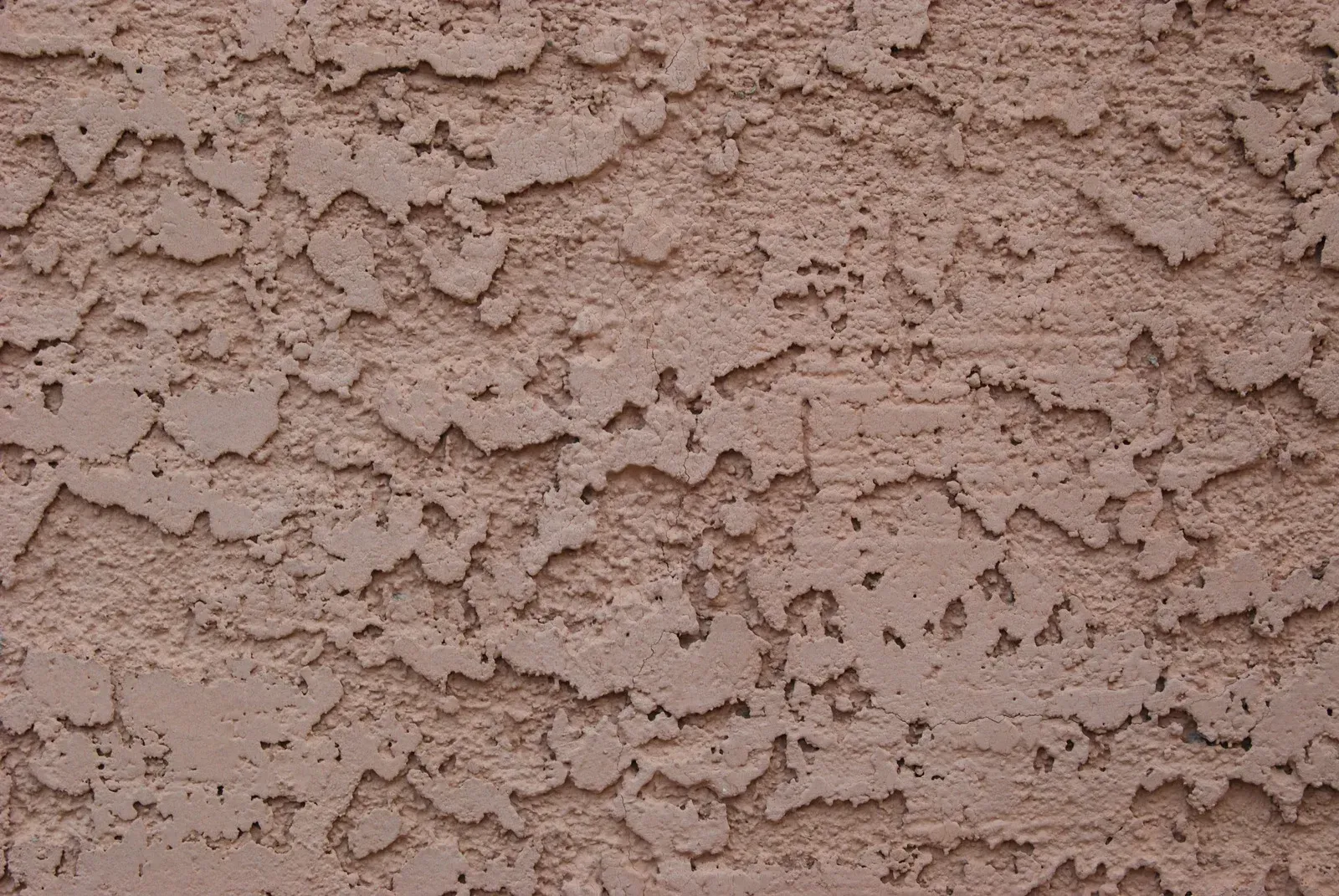
Stucco Services We Handle From Substrate to Color Coat
Three-Coat Stucco System Installation
We install complete three-coat stucco systems on new construction and full re-stucco projects, including building paper application, metal lath installation, scratch coat, brown coat, and color coat finish. Each coat is applied at the correct thickness and allowed the curing time the mix design requires before the next coat is applied.
Stucco Crack Repair
We repair hairline, structural, and pattern cracking in existing stucco using methods appropriate to the crack width, depth, and cause. Repairs include routing or widening cracks to a consistent profile, applying compatible filler material, and finishing with a color coat texture that integrates with the surrounding surface so the repair boundary is not visible.
Delaminated Stucco Removal and Replacement
We remove stucco sections that have separated from the substrate due to bond failure, moisture infiltration, or substrate movement, assess the building paper and framing behind the removed section for moisture damage, correct any identified issues, and apply a new stucco system that bonds correctly to the prepared substrate beneath it.
Stucco Recoating
We apply a new color coat or finish coat over existing stucco that is structurally sound but has weathered beyond cleaning or painting. Recoating includes surface preparation to remove chalk, dirt, and loose material, repair of any minor cracking before the new coat is applied, and uniform color coat application at the correct thickness across the full exterior surface.
Flashing Repair and Correction at Stucco Junctions
We repair and install flashing at roof-to-wall junctions, window heads, door openings, and penetrations where existing flashing has failed, was installed incorrectly, or was omitted from original construction. Correct flashing termination at these locations is addressed before any new stucco finish work is applied to the surrounding wall sections.
Stucco Texture Matching on Repair Sections
We match existing stucco textures on repair sections including dash, float, smooth, and hand-trowel finishes so repaired areas integrate with the surrounding exterior rather than marking the location of the repair with a visible texture change. Texture matching requires correct tool selection, mix consistency, and application timing specific to each texture type.
What Correctly Applied Stucco Protects Beyond the Wall It Covers
Moisture Exclusion at the Building Envelope
A correctly installed and maintained stucco system forms a continuous barrier that prevents liquid water from reaching the building paper, sheathing, and framing behind it. Cracks, delamination, and failed flashing create pathways for moisture intrusion that bypass the surface entirely and damage structural components far from the visible entry point.
Thermal Performance in High Desert Conditions
Stucco provides meaningful thermal mass on exterior walls, absorbing heat during the day and releasing it slowly after temperatures drop in the evening. This characteristic is particularly relevant for homes across Albuquerque and the surrounding region, where daily temperature swings between morning lows and afternoon highs can exceed thirty degrees in the shoulder seasons.
Crack Repair That Addresses Movement, Not Just the Opening
Surface crack filling without addressing the movement that caused the crack produces a repair that reopens within one to two seasonal cycles. Proper stucco crack repair includes widening the crack to a consistent profile, applying compatible caulk or mortar at the appropriate depth, and feathering the finish coat to prevent visible repair edges.
Adhesion Preserved Through Compatible Materials
Applying a new stucco coat over an existing finish requires compatibility between the existing and new materials. Incompatible mix designs create delamination as the two layers expand and contract at different rates through seasonal temperature cycling. Professional stucco repair and recoating uses materials matched to the existing system's composition and age.
Flashing Integrity That Prevents Systemic Failures
Stucco that terminates incorrectly at roof lines, window heads, and penetrations allows water to bypass the exterior surface and enter the wall assembly at concealed locations. Correct flashing installation and termination at these junctions is the most consequential detail in any stucco application, and it is the one most frequently compromised in older construction.
Color Coat Uniformity Across the Full Exterior
Color coat application over a repaired or recoated stucco exterior requires consistent mixing ratios, uniform application thickness, and proper curing conditions to produce an even final appearance. Inconsistent color coat application produces visible variation in texture and color across the wall plane that no amount of painting will fully conceal.
Exterior Protection That Holds Through Every Season
Stucco is unforgiving of shortcuts. A scratch coat applied too thin loses its mechanical key with the lath beneath it. A brown coat closed before sufficient curing time develops shrinkage cracks that telegraph through the color coat within the first season. Flashing omitted at a window head delivers water to the framing on the first monsoon event of the year. At Dream Home Innovations, these are not hypothetical failure modes. They are the conditions we find in homes throughout Albuquerque, Rio Rancho, Corrales, and the surrounding communities of Bernalillo County when stucco that was applied without proper attention to process has reached the end of its service life. We install and repair stucco on homes across Albuquerque, New Mexico with 25 years of understanding of what the regional climate demands and what the material requires to meet those demands reliably.
FAQs - Frequently Asked Questions
What causes stucco to crack on residential exteriors?
Stucco cracks result from substrate movement, differential settlement, thermal expansion and contraction, shrinkage during curing, and impact damage. In the Albuquerque region, expansive clay soils contribute to foundation movement that produces diagonal cracking at wall corners and around window openings in both older and newer residential construction.
How do you determine whether a stucco crack requires repair or full section replacement?
Hairline cracks at the surface coat are typically repairable without removing the underlying stucco. Cracks that are wider than a quarter inch, show step or diagonal patterns indicating structural movement, or exhibit surrounding delamination typically require removal of the affected section and replacement with a new stucco application over the prepared substrate.
What does Dream Home Innovations include in a stucco repair project in Albuquerque, New Mexico?
Dream Home Innovations includes crack assessment, removal of delaminated sections where required, substrate and building paper inspection, moisture damage correction, compatible material application in the correct coat sequence, texture matching to the surrounding surface, and color coat finishing as part of stucco repair projects throughout Albuquerque, New Mexico.
How long does a properly installed stucco system last?
A correctly installed three-coat stucco system on a properly prepared substrate typically provides twenty-five to fifty years of service before requiring significant intervention beyond routine maintenance. Longevity depends on the quality of the original installation, flashing integrity at vulnerable junctions, and the consistency of minor crack maintenance over the system's service life.
Can stucco be painted rather than recoated with a new color coat?
Stucco in sound condition can be painted with masonry-specific or elastomeric coatings. However, paint does not restore the integral color and texture density that a new color coat provides, and painted stucco requires repainting every five to seven years. Recoating with a new color coat is the more durable long-term approach for weathered stucco exteriors.
What is the purpose of building paper behind a stucco system?
Building paper installed between the wall sheathing and the metal lath provides a secondary moisture barrier that directs water that penetrates the stucco surface downward and out of the wall assembly rather than allowing it to reach the sheathing and framing. Without intact building paper, even minor stucco surface failures allow water into the structural wall.
How do you match existing stucco texture on a repair section?
Texture matching requires identifying the application method used for the original finish, replicating the mix consistency and water ratio, and applying with the correct tool at the appropriate stage of set. We test the texture on a small section before committing to the full repair area to confirm the match under the existing wall's lighting and color conditions.
What is the difference between a three-coat and a one-coat stucco system?
A traditional three-coat system applies a scratch coat, brown coat, and color coat in sequence, each allowed to cure before the next is applied, producing a total thickness of approximately seven-eighths of an inch. One-coat systems use a single thicker base layer under the color coat, which installs faster but provides less crack resistance than the traditional layered approach.